Every homeowner in the Chicago suburbs faces the same recurring question: should I handle this repair myself, or should I call a professional? The answer is not always obvious. Some projects that look complicated are actually straightforward weekend tasks, while others that seem simple can quickly snowball into expensive problems if done incorrectly.
After years of servicing homes across Wilmette, Northbrook, Glenview, Schaumburg, Arlington Heights, and beyond, CrestLine Home Pro has seen the full spectrum — from successful DIY projects to costly mistakes that required professional correction. This guide will help you make smart decisions about when to grab your toolbox and when to pick up the phone.
Projects You Can Confidently DIY
Let us start with the good news. There are plenty of home maintenance and improvement tasks that a reasonably handy homeowner can tackle with basic tools, a trip to the hardware store, and a few YouTube tutorials. These projects generally share three characteristics: they do not involve permits, they do not affect structural or life-safety systems, and the cost of a mistake is low.
Painting Interior Walls
Painting is the most accessible DIY project and delivers one of the biggest visual impacts per dollar spent. With quality brushes, a good roller, painter's tape, and a drop cloth, most homeowners can paint a room in a weekend. The keys to a professional-looking result are thorough surface preparation (filling nail holes, sanding, cleaning the walls) and using quality paint. Benjamin Moore and Sherwin-Williams consistently outperform budget brands in coverage and durability.
Where it gets tricky: ceilings, stairwells, multi-story foyers, and exteriors involve height and staging that introduce safety risks. If you need a ladder taller than six feet, consider hiring a professional.
Replacing Hardware and Fixtures
Swapping cabinet pulls, door handles, towel bars, and light switch plates is simple, satisfying work that requires only a screwdriver and possibly a drill. Replacing a standard light fixture (not recessed cans or ceiling fans with electrical boxes) is also within DIY range for someone comfortable turning off a breaker and connecting color-coded wires with wire nuts.
Caulking and Weatherstripping
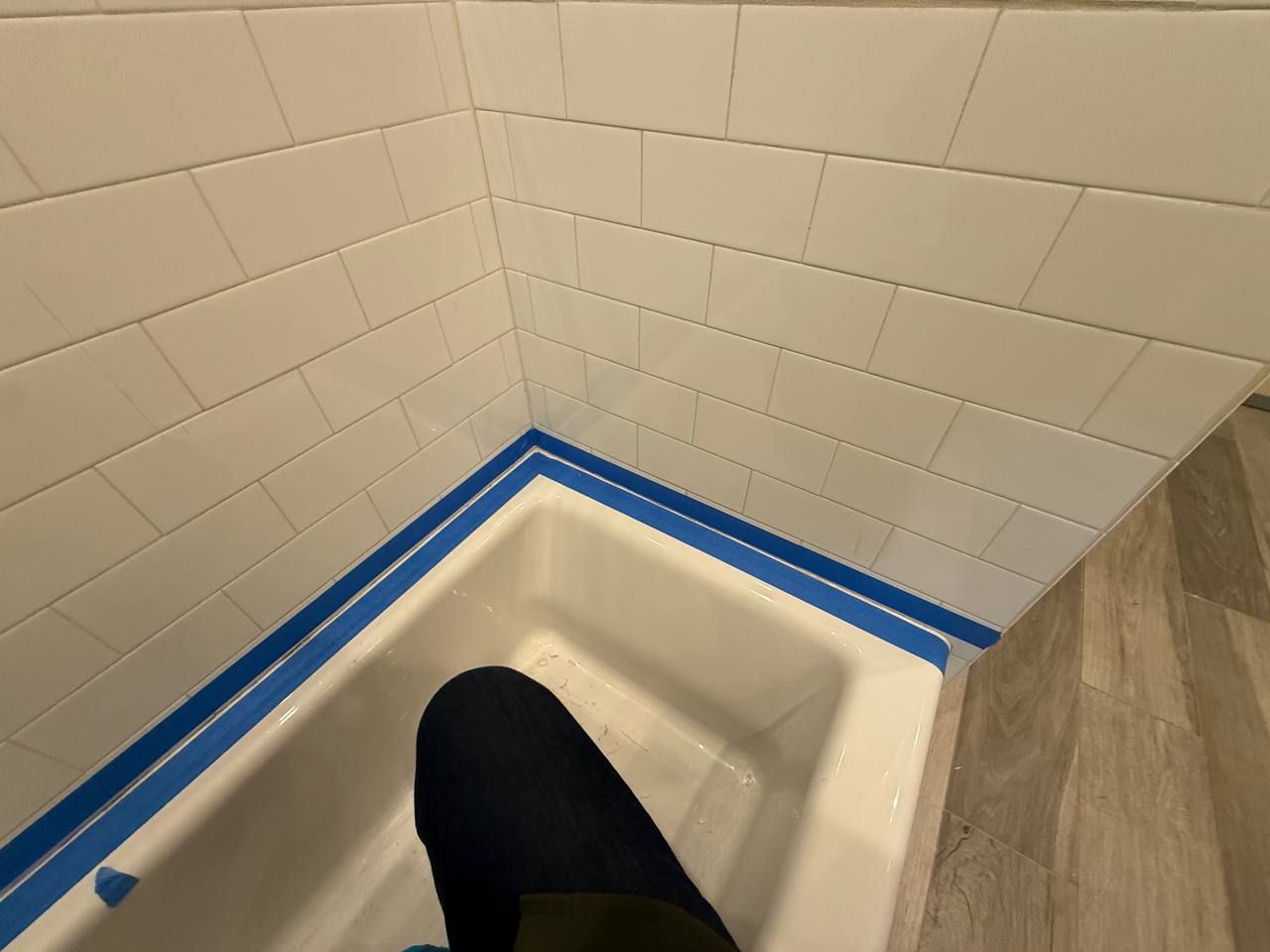
Re-caulking around tubs, showers, sinks, and windows is a maintenance task every homeowner should know how to do. A tube of quality silicone caulk, a caulk gun, and a steady hand are all you need. Similarly, replacing weatherstripping around exterior doors is an affordable way to improve energy efficiency, especially during Chicagoland winters.
Assembling Furniture and Shelving
IKEA runs, floating shelves, and basic organizational systems are well within DIY territory. Use a stud finder to anchor anything heavy to wall studs rather than relying on drywall anchors alone — this is the number one mistake we see when called to fix shelving that has pulled out of the wall.
Minor Drywall Repairs
Small nail holes, doorknob dings, and hairline cracks can be repaired with lightweight spackle, a putty knife, and sandpaper. For holes up to about four inches, a drywall patch kit from any hardware store works well. Anything larger than that, or cracks that run along seams or corners, may indicate a structural or moisture issue that warrants professional evaluation.
Projects That Require a Professional
The following categories of work should almost always be handled by a licensed, insured professional. The risks of doing them incorrectly range from code violations and failed home inspections to personal injury and property damage.
Electrical Work Beyond Basic Fixture Swaps
If a project involves adding a new circuit, upgrading a panel, running new wiring through walls, or installing recessed lighting, you need a licensed electrician. Illinois law requires permits for most electrical work, and unpermitted electrical modifications can create fire hazards, void your homeowner's insurance, and complicate a future home sale.
Common projects that homeowners underestimate include adding an outlet to a kitchen island, wiring a bathroom exhaust fan, and installing EV charger circuits. All of these require permit pulls and inspections in Chicagoland municipalities.
Plumbing Beyond Simple Fixture Replacement
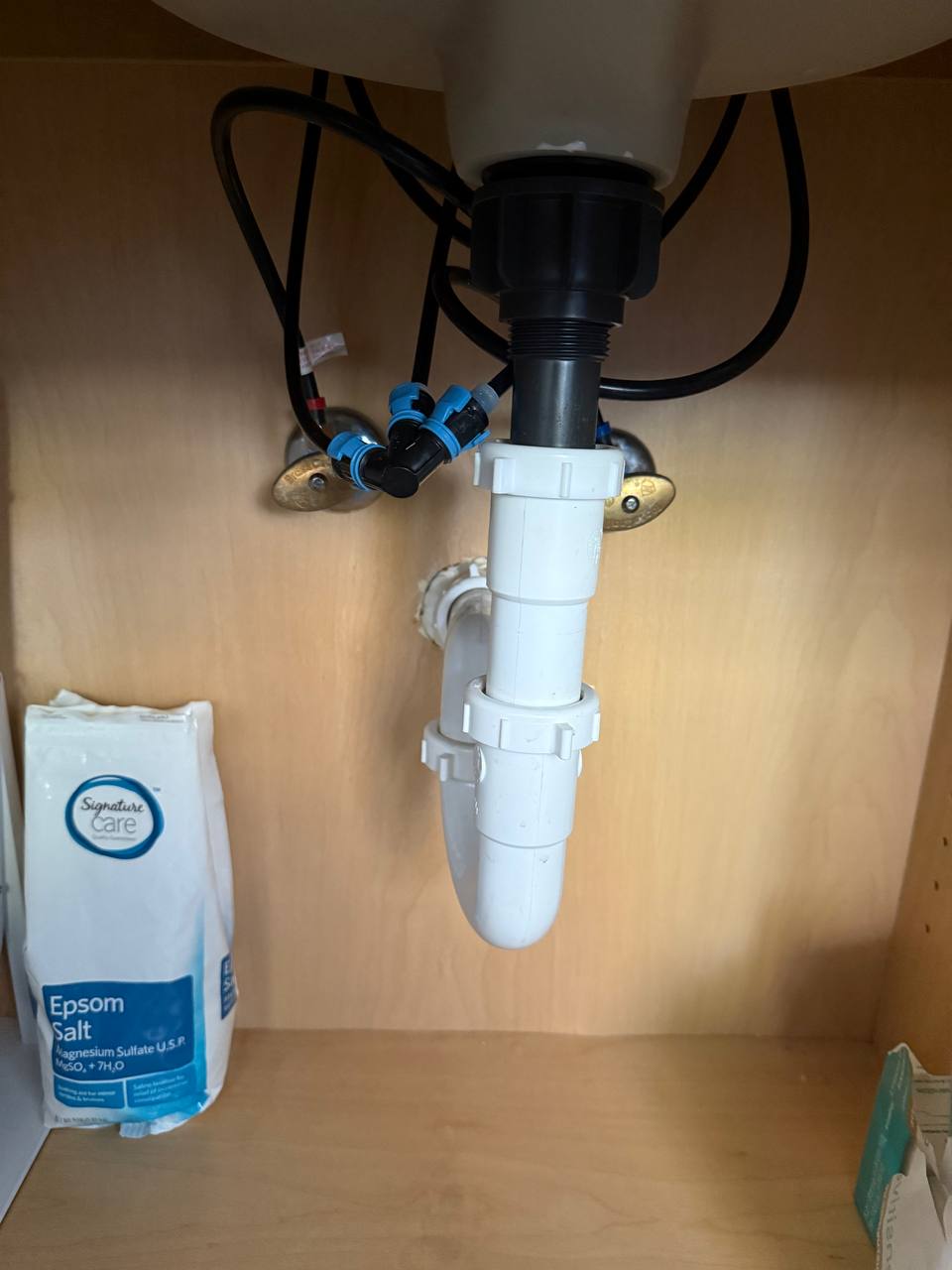
Swapping a faucet or replacing a toilet fill valve is manageable for a confident DIYer. But anything that involves moving supply lines, rerouting drain pipes, connecting to the main stack, or working with gas lines requires a licensed plumber. Water damage from a botched plumbing connection is one of the most expensive repair categories in home insurance claims.
In older Chicagoland homes, plumbing work often uncovers galvanized pipes that should be replaced with copper or PEX, adding scope and complexity. A professional will identify these issues proactively and address them before they become emergencies.
Structural Modifications
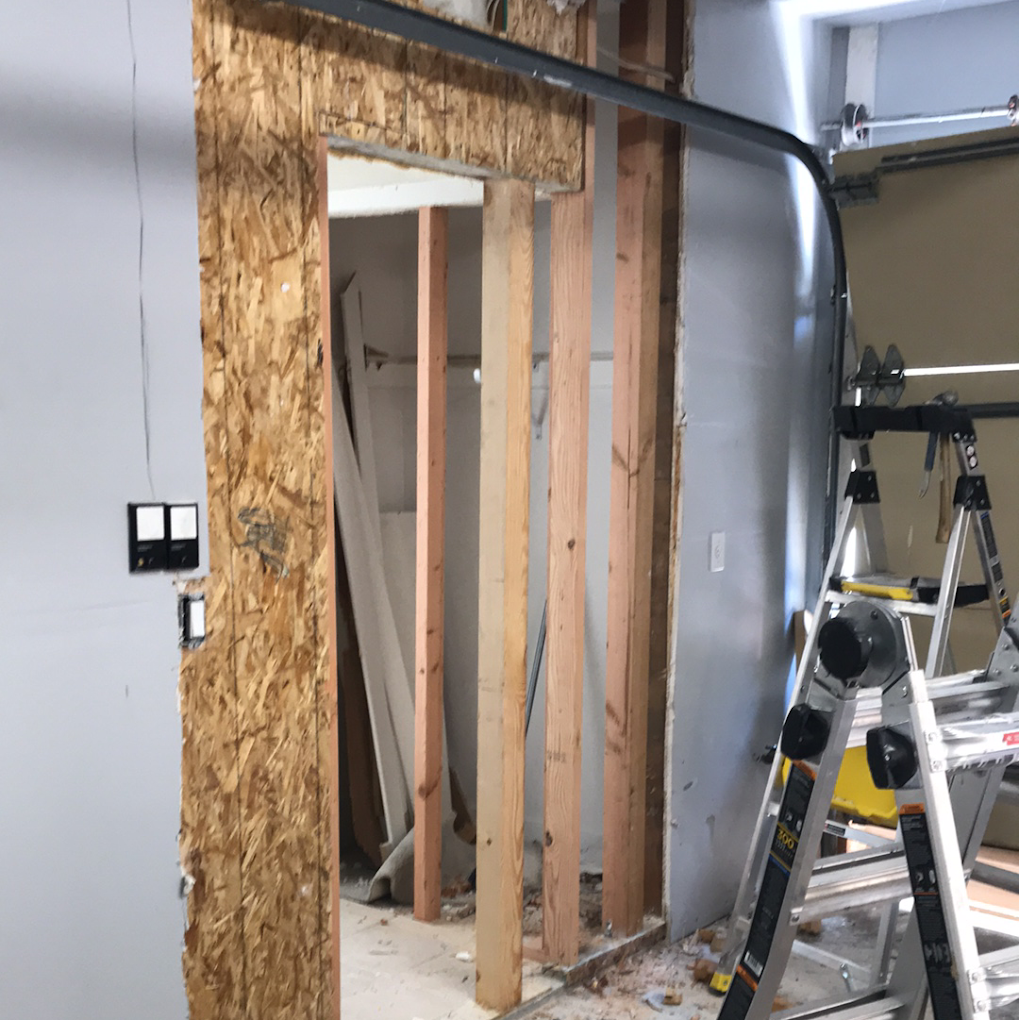
Removing or modifying a wall — even a non-load-bearing one — can affect framing, ductwork, plumbing, and electrical runs hidden inside the wall cavity. Load-bearing wall removal requires engineering calculations, a properly sized beam or header, and temporary support during construction. This is not a project where guessing is acceptable.
Roofing and Gutter Work
Working on a roof is inherently dangerous. Falls from roofs and ladders account for thousands of emergency room visits every year. Beyond the safety issue, improper roofing work can void manufacturer warranties and lead to leaks that cause tens of thousands of dollars in water damage. Gutter installation and repair at heights above one story should also be left to professionals with proper fall-protection equipment.
Tile Work in Wet Areas
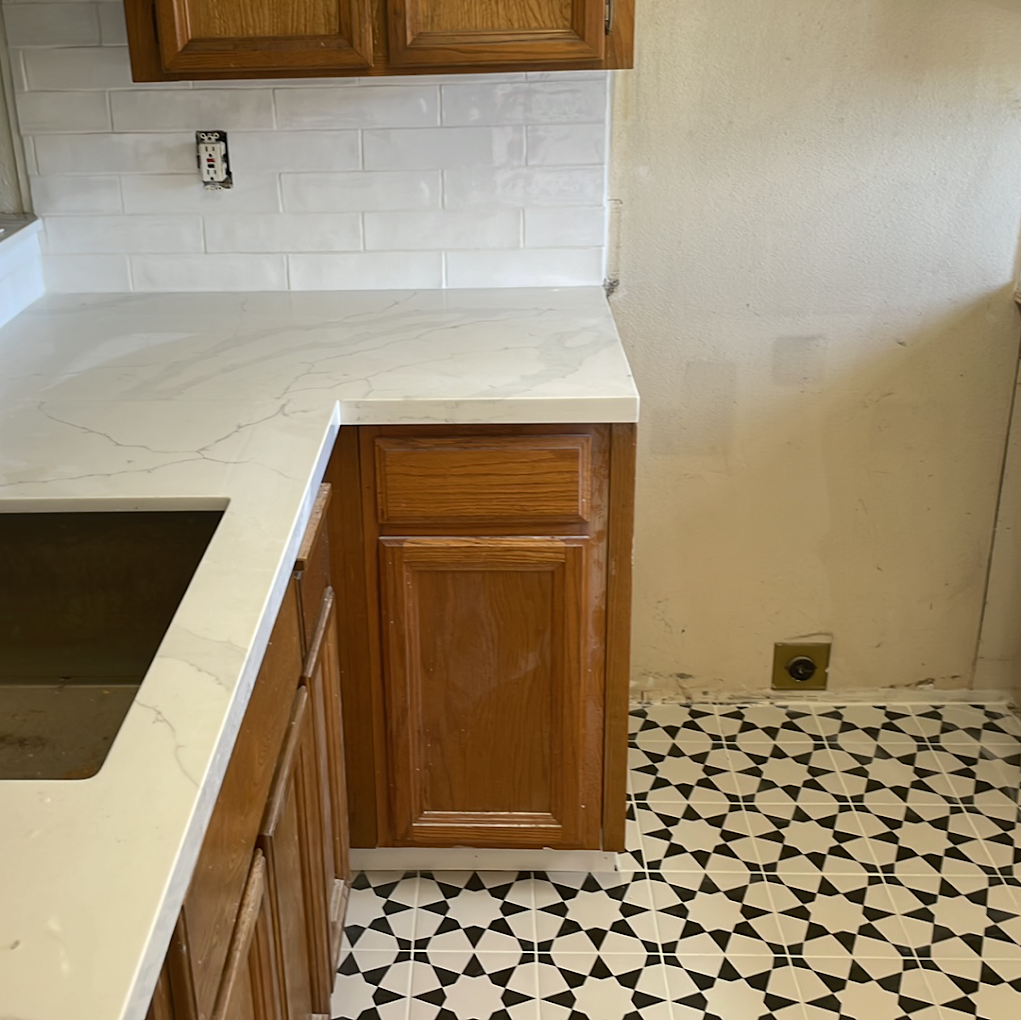
Tiling a fireplace surround or a dry backsplash is a reasonable DIY project for someone with patience and a tile saw. Tiling a shower or tub surround is a completely different matter. The waterproofing membrane, slope of the shower pan, backer board installation, and grout sealing must all be done correctly. A failure in any of these layers will eventually result in mold, rot, and structural damage behind the walls — damage that is invisible until it is severe.
The Gray Area: Projects That Depend on Your Skill Level
Some projects fall in between, and the right answer depends on your personal experience, comfort level, and willingness to invest time in learning.
- Laminate or vinyl plank flooring — Click-lock floating floors are designed for DIY installation and most homeowners can achieve good results. However, tricky cuts around door frames, transitions between rooms, and moisture barriers over concrete subfloors can be challenging.
- Fence repair — Replacing a few boards on an existing fence is DIY-friendly. Building a new fence, setting posts in concrete to the correct depth, and ensuring consistent spacing requires more skill and equipment.
- Ceiling fan installation — If an existing fan-rated electrical box is already in place, this is a reasonable DIY swap. If you need to install a new box in a ceiling without one, you are into electrical territory that warrants a professional.
- Deck staining and sealing — The application itself is DIY-friendly, but proper preparation (power washing, sanding, stripping old finish) determines 90 percent of the result quality.
The Hidden Cost of DIY Mistakes
One factor homeowners often overlook is the cost of correcting a failed DIY attempt. At CrestLine Home Pro, a meaningful percentage of our service calls involve fixing projects that a homeowner or an unlicensed handyman started but could not complete properly. In many cases, the total cost — original materials plus professional correction — exceeds what the project would have cost if done professionally from the start.
Common examples include:
- Tile that was set without proper waterproofing and now has mold growing behind it
- Electrical work that fails inspection and needs to be redone
- Drywall that was taped and mudded unevenly and now needs to be skimmed or replaced
- Plumbing connections that developed slow leaks inside wall cavities
How to Choose the Right Professional
When you do decide to hire a professional, look for these qualities:
- Licensed and insured — In Illinois, contractors performing work over a certain dollar threshold must carry appropriate licensing and liability insurance. CrestLine Home Pro is fully licensed, bonded, and carries $2 million in liability coverage.
- Written estimates — A reputable handyman or contractor will provide a detailed written estimate before work begins, not a vague verbal quote.
- Reviews and references — Check Google reviews, Yelp ratings, and ask for references from past clients in your area.
- Clear communication — The best professionals explain what they are going to do, why they are doing it, and what it will cost. They answer questions willingly and do not pressure you into quick decisions.
- Warranty on workmanship — CrestLine Home Pro backs all of our work with a workmanship warranty because we stand behind the quality of our craftsmanship.
When in Doubt, Ask
If you are on the fence about whether a project is within your DIY abilities, the smartest move is to call and ask. CrestLine Home Pro offers free consultations — call (630) 812-7247 and describe the project. We will tell you honestly whether it is something you can handle yourself or whether professional help is the better path. No sales pressure, just straightforward advice from people who work on Chicagoland homes every day.
And if you do need help, we are ready. From a quick two-hour repair to a multi-week renovation, CrestLine Home Pro has the skills, the tools, and the local expertise to get the job done right the first time. Request your free estimate today.