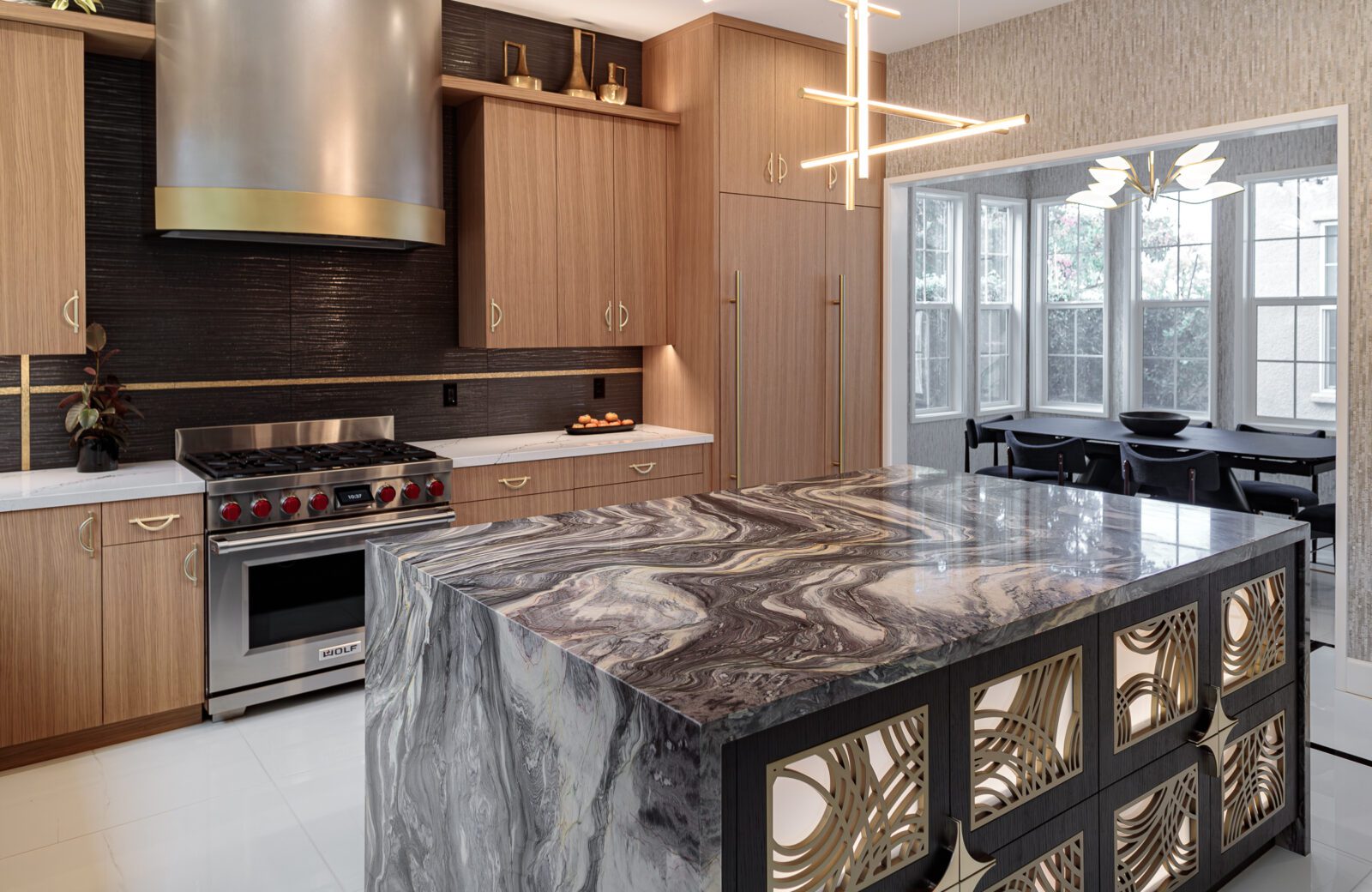
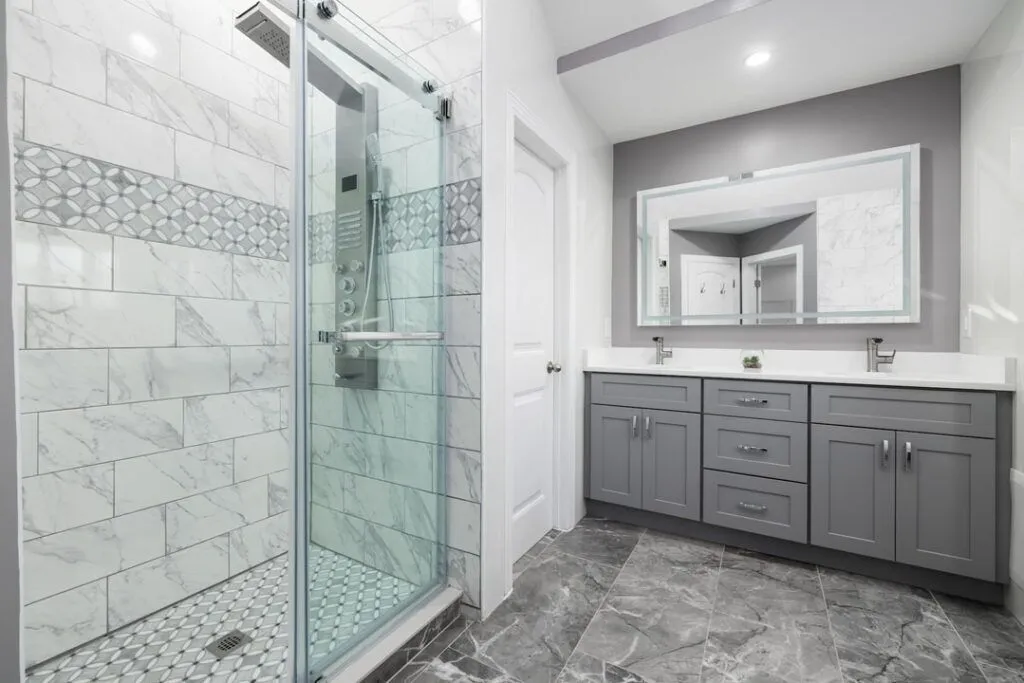
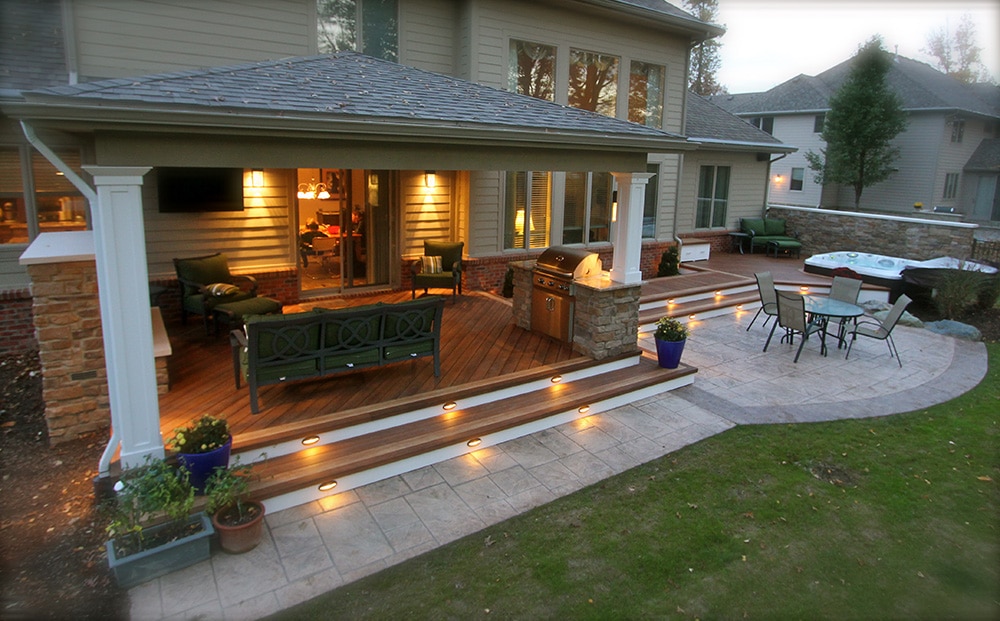
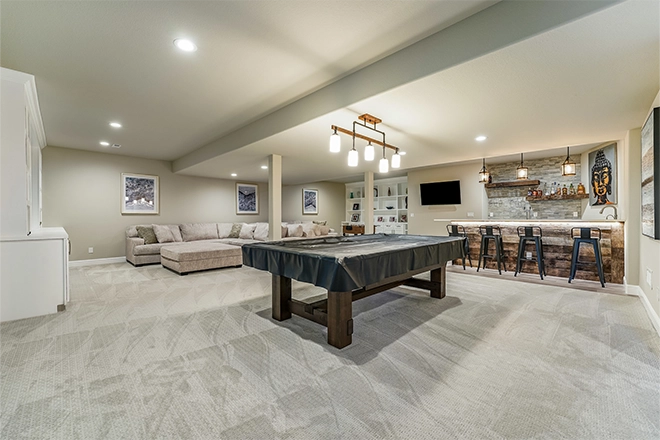
Jefferson Park represents urban Chicagoland housing at its most diverse. The dominant bungalow format coexists with two-flat and ranch variations across different blocks. Buildings span everything from pre-fire 1890s brick three-flats to modern infill construction, with the 1910s-1970s era still dominating most blocks. Renovation here means understanding masonry construction, party walls, and the specific physics of urban building envelopes — fundamentally different from suburban frame construction.
With a median home value of $350 000 and a population of approximately 27 000, Jefferson Park sits at a specific market position within Chicagoland. Renovation decisions here weigh several factors: long-term resale potential, the immediate quality-of-life return on investment, neighborhood comparables that establish ceiling values, and the urban expectations buyers in this market have come to expect. We've observed that Jefferson Park homeowners are calculating about ROI and aware of how their building's HOA rules affect both renovation logistics and resale appeal.
The single most-overlooked issue in Jefferson Park renovations is the original mechanical and electrical systems hidden behind walls. Many homes still have galvanized steel supply lines from original construction, knob-and-tube electrical, undersized service panels, cast iron drain stacks at end-of-life, and minimal insulation. Any kitchen or bathroom remodel in a Jefferson Park home should include a mechanical assessment during the on-site walkthrough — surfaces alone are not the project. We routinely find $5K-$25K worth of necessary mechanical upgrades during demo on pre-1960 Jefferson Park renovations. The good news: addressing them during a planned renovation is dramatically cheaper than emergency repair when a galvanized supply line bursts behind a freshly tiled wall five years later.
Renovation in Jefferson Park requires coordination with City of Chicago Department of Buildings.. Chicago city permitting runs through the Department of Buildings' ProjectDox electronic system. Standard remodel permits issue in 3-5 weeks; structural changes requiring architect drawings stretch to 5-8 weeks. The plumbing code (copper required, not PEX) and electrical code (conduit required, not Romex) catch out-of-state contractors regularly. We've pulled permits in Jefferson Park for every Chicago neighborhood we serve and maintain working relationships with the plan reviewers and inspectors. That fluency saves an average of 2-3 weeks per project versus contractors learning the process for the first time.
Beyond architecture and permits, Jefferson Park renovation work is shaped by less-visible factors. CTA Blue Line and Metra hub. Jeff Fest annual music festival. Local supplier ecosystems matter — cabinet shops, tile suppliers, plumbing wholesalers, and appliance dealers serving Jefferson Park have specific relationships and inventory patterns. Lead times to Jefferson Park are typically 1-3 business days from our suppliers (faster than rural Illinois). Our project managers have Jefferson Park addresses memorized; our delivery coordination accounts for city alley access and parking logistics. None of this is glamorous — it's just the difference between a project that runs on schedule and one that drags an extra two weeks for logistical reasons.