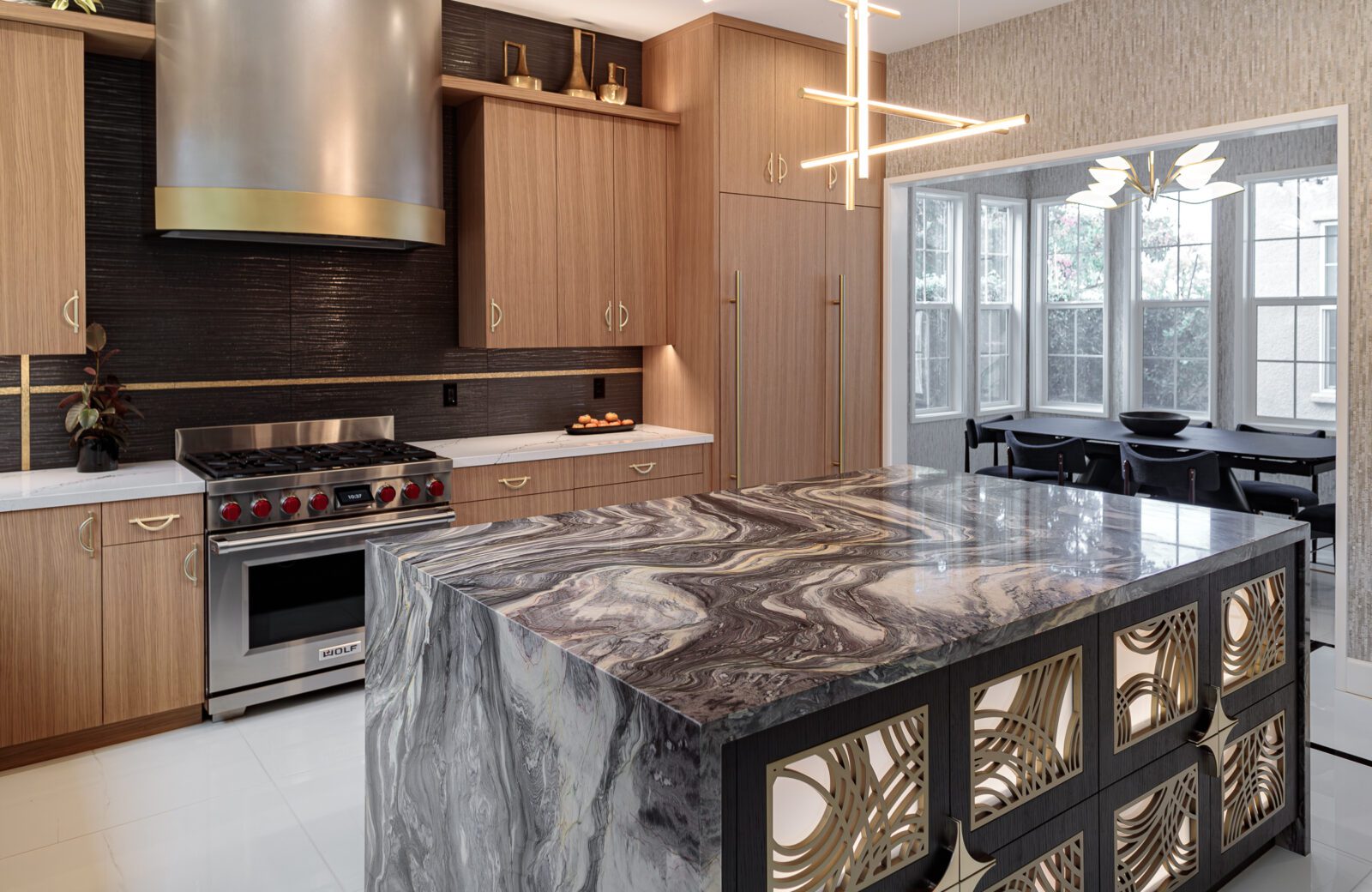
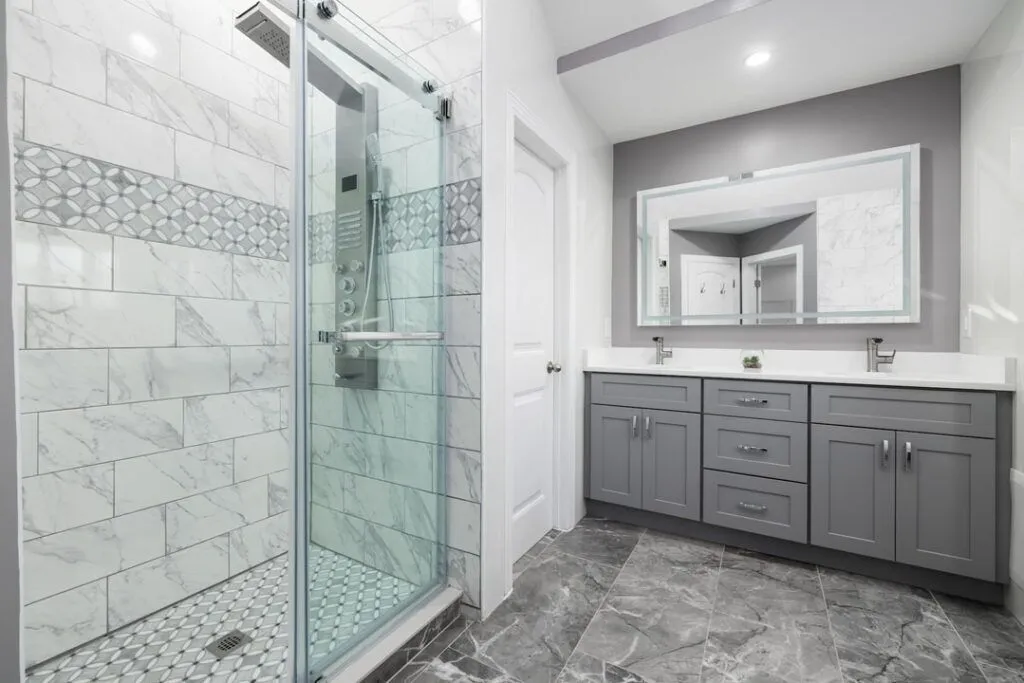
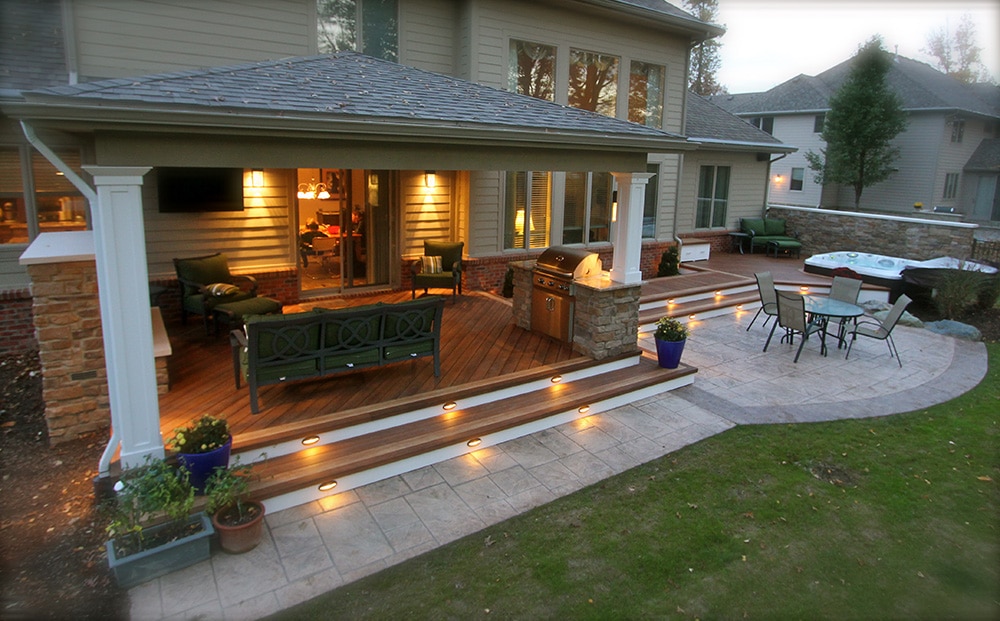
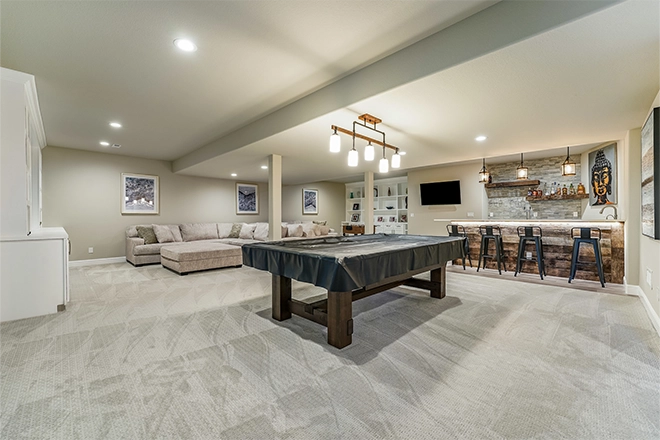
Highland Park's Ranch and Split-level homes — built largely across the 1940s-2020s era — represent some of the most architecturally curated housing in North Shore. Construction quality across this era was uniformly high, with solid framing, hardwood throughout, and substantial trim packages. The renovation challenge here isn't typically "what to upgrade" — it's "how to modernize without erasing the character that makes Highland Park homes valuable."
With a median home value of $550 000 and a population of approximately 30 000, Highland Park sits at a specific market position within Chicagoland. Renovation decisions here weigh several factors: long-term resale potential, the immediate quality-of-life return on investment, neighborhood comparables that establish ceiling values, and the premium expectations buyers in this market have come to expect. We've observed that Highland Park homeowners are willing to invest substantially in renovations that deliver lasting value, but expect uncompromising craftsmanship in return.
Highland Park's post-war housing has its own predictable renovation challenges. Cast iron drain stacks installed in the 1950s-1960s are reaching end-of-life. Original electrical panels were typically 100-amp — adequate for that era's appliances but insufficient for modern HVAC, EV charging, and induction ranges. Aluminum wiring was common in homes built 1965-1975 and creates known fire risk requiring specific connector hardware at every outlet and junction box. Single-pane windows are universal in this era and represent both energy waste and resale liability. Most renovation projects in Highland Park on this era of home benefit from coordinated mechanical updates alongside cosmetic work.
Renovation in Highland Park requires coordination with City of Highland Park Building Division. North Shore permitting is the strictest in Chicagoland — particularly Winnetka and Lake Forest, where Architectural Review Boards review every exterior change visible from the public right-of-way. Highland Park's permit process averages 2-4 weeks for standard interior remodels and 5-8 weeks for exterior projects requiring review. We've pulled permits in Highland Park for decades and maintain working relationships with the plan reviewers and inspectors. That fluency saves an average of 2-3 weeks per project versus contractors learning the process for the first time.
Beyond architecture and permits, Highland Park renovation work is shaped by less-visible factors. Home to Ravinia Festival. Diverse architectural landscape from modest to grand. Local supplier ecosystems matter — cabinet shops, tile suppliers, plumbing wholesalers, and appliance dealers serving Highland Park have specific relationships and inventory patterns. Lead times to Highland Park are typically 1-3 business days from our suppliers (faster than rural Illinois). Our project managers have Highland Park addresses memorized; our delivery coordination accounts for estate driveway access and historic-area weight restrictions. None of this is glamorous — it's just the difference between a project that runs on schedule and one that drags an extra two weeks for logistical reasons.