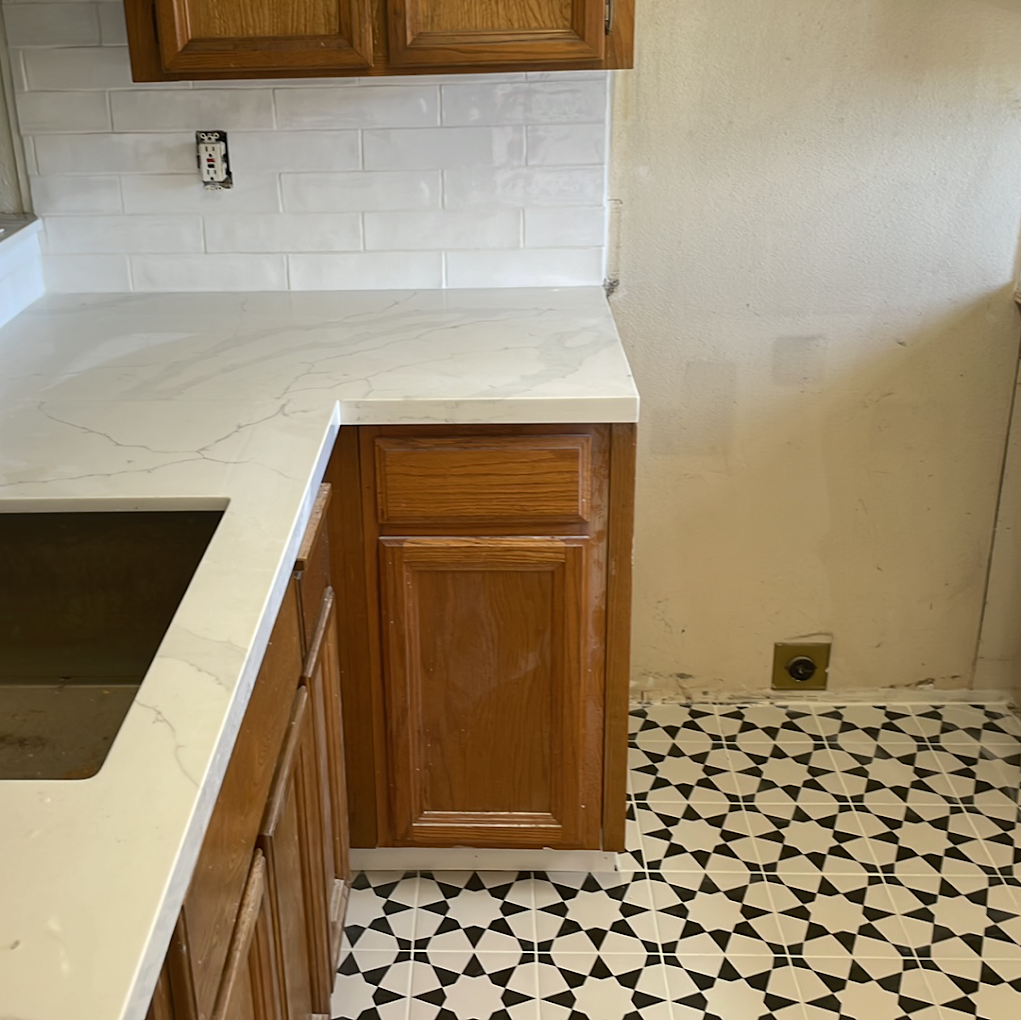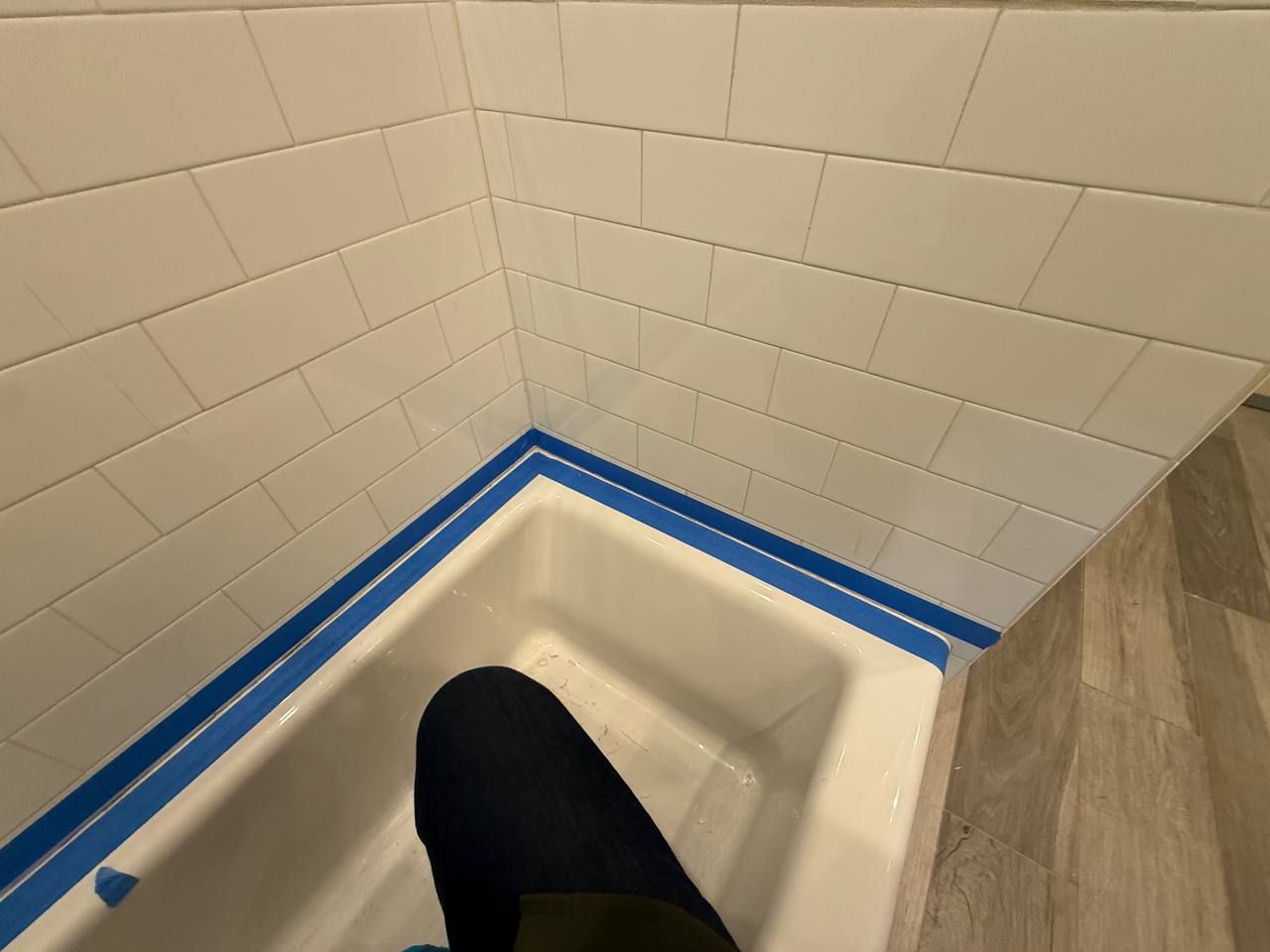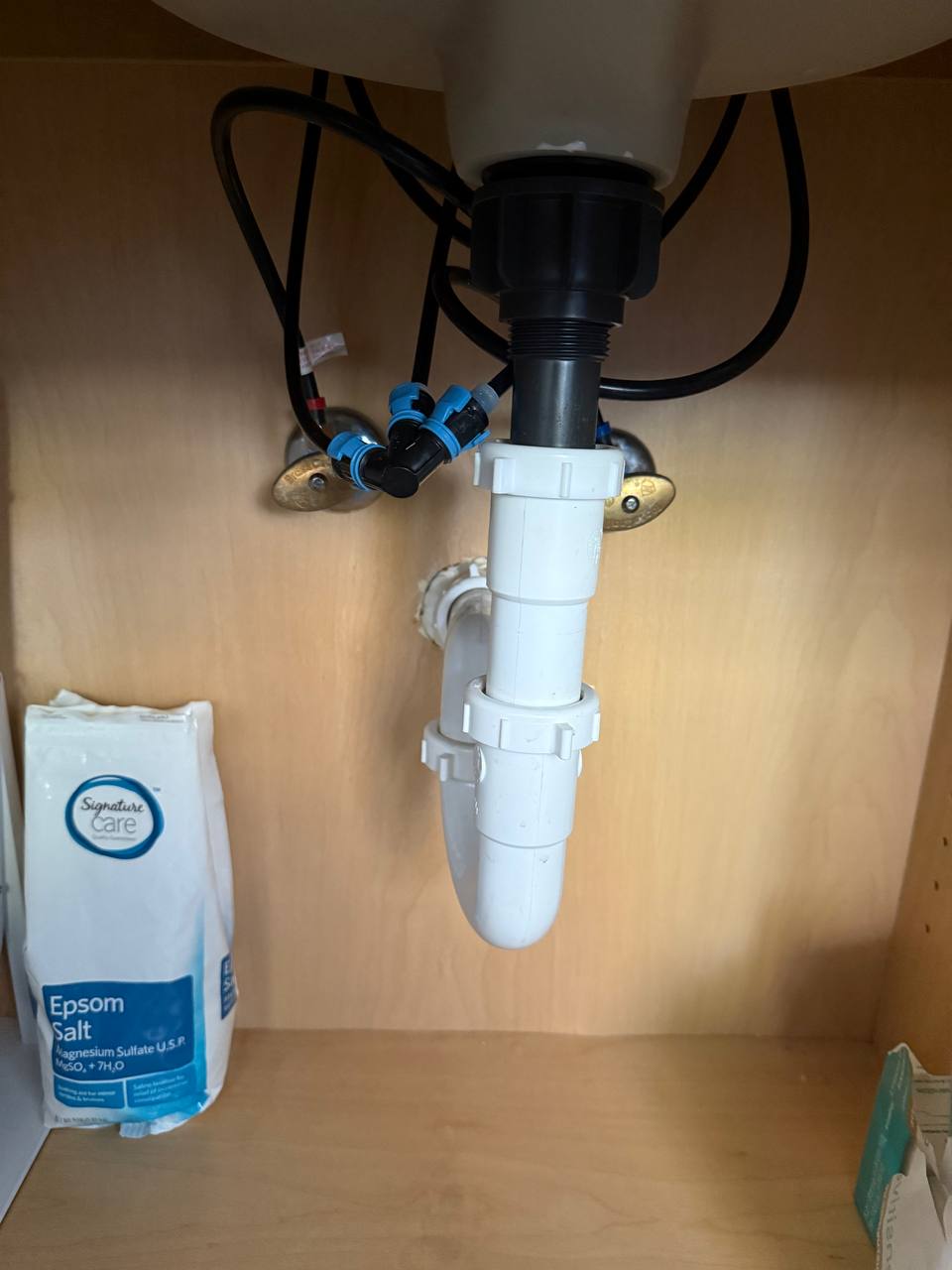
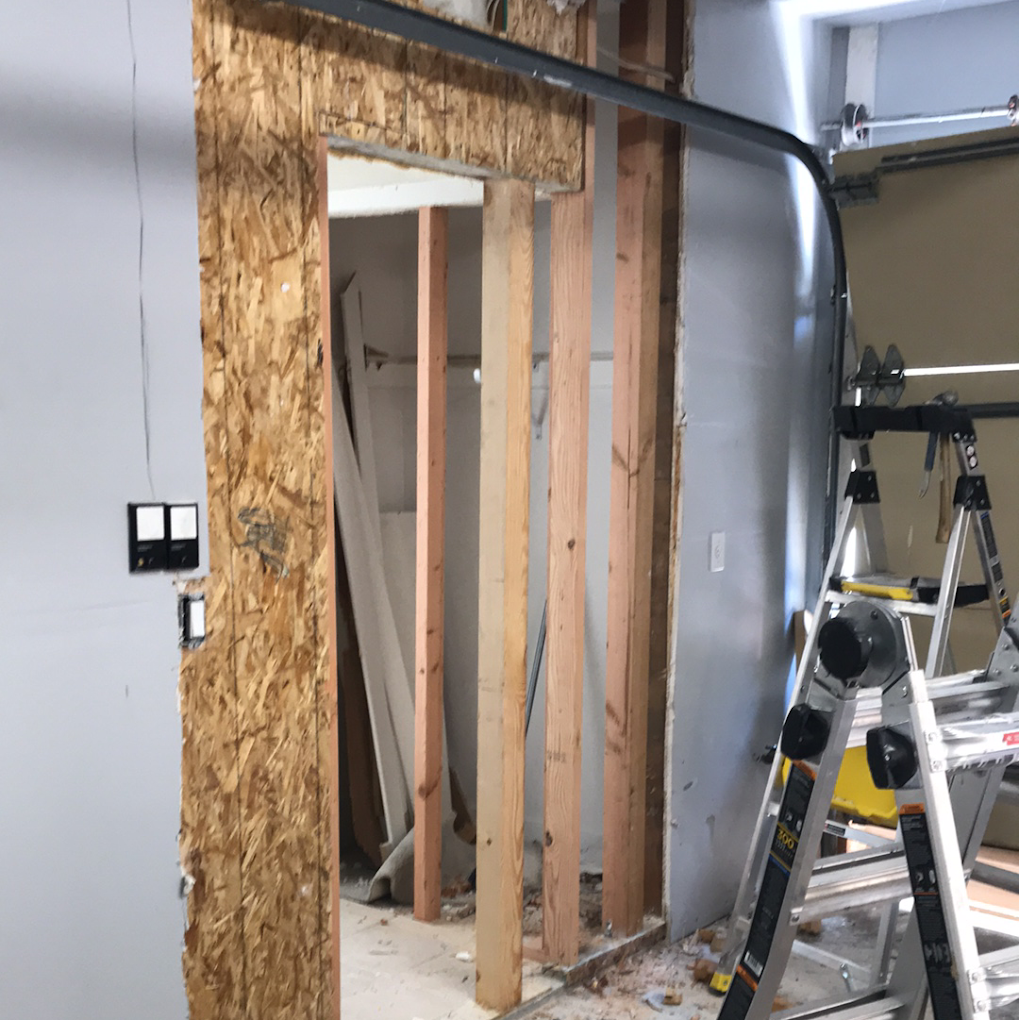
For Chicagoland homeowners, the basement represents the single largest opportunity to add usable living space without expanding the footprint of the house. A typical suburban home in Northbrook, Glenview, or Arlington Heights has 800 to 1,200 square feet of unfinished basement — space that is currently used for storing holiday decorations and old bicycles but could become a family room, home office, guest suite, gym, or entertainment area.
Finishing a basement in Illinois, however, involves more complexity than many homeowners realize. Moisture management, building codes, egress requirements, and the unique challenges of below-grade construction all require careful planning and professional execution. This comprehensive guide covers everything you need to know before starting your basement finishing project.
Step 1: Assess Moisture and Water Issues
Before you invest a single dollar in framing or drywall, the basement must be dry. This is non-negotiable. Finishing a basement that has active moisture problems is a recipe for mold, musty odors, and costly tear-outs within a few years.
Chicagoland basements face several common moisture challenges:
- Hydrostatic pressure — The clay-heavy soils common across the Chicago suburbs retain water and exert pressure against foundation walls, especially during spring snowmelt and heavy rain events. This pressure can force water through cracks, joints, and porous concrete.
- High water table — Some areas, particularly closer to Lake Michigan and the Des Plaines River, have naturally high water tables that keep basements perpetually damp without active mitigation.
- Poor grading and drainage — If the soil around your foundation slopes toward the house rather than away from it, surface water will pool against the walls and eventually find its way inside.
- Failed or absent sump pump — Most Chicagoland homes have sump pump systems, but many are aging, undersized, or lack battery backup. A power outage during a thunderstorm can result in significant flooding in a matter of hours.
Recommended Moisture Solutions
CrestLine Home Pro evaluates every basement before proposing a finishing plan. Depending on the conditions we find, we may recommend:
- Interior waterproofing membrane (dimple board) along foundation walls
- Sump pump replacement or upgrade with battery backup
- Interior perimeter drain tile (French drain) system
- Exterior grading correction and downspout extension
- Dehumidifier installation with direct drain connection
Addressing moisture issues first typically costs $2,000 to $8,000 depending on the scope, but it protects the entire investment you are about to make in the finished space.
Step 2: Understand Illinois Building Codes and Permits
Finishing a basement in Illinois requires building permits in virtually every municipality across Chicagoland. The specific requirements vary by town, but the following code elements are universal:
Ceiling Height
The International Residential Code (IRC), which Illinois follows, requires a minimum finished ceiling height of seven feet in habitable basement rooms. Bathrooms and laundry rooms can be six feet eight inches. If your basement has low ceilings, this requirement may limit your design options or require creative solutions such as recessed LED lighting instead of dropped ceilings, or thinner ceiling materials.
Egress Windows
If you are creating a bedroom or sleeping area in the basement, Illinois code requires at least one egress window. An egress window must have a minimum clear opening of 5.7 square feet, with a minimum width of 20 inches and a minimum height of 24 inches. The window sill cannot be more than 44 inches above the finished floor. An exterior window well is required, and it must be large enough to provide access and have a permanently attached ladder if the well is deeper than 44 inches.
Egress window installation is a significant undertaking that involves cutting through the foundation wall, installing a steel or concrete well, and waterproofing the new opening. Professional installation typically costs $3,000 to $6,000 per window, including the well, window unit, and waterproofing.
Smoke and Carbon Monoxide Detectors
Finished basements require interconnected smoke detectors and carbon monoxide detectors per Illinois law. If your home's existing detectors are not interconnected (meaning when one goes off, they all go off), the finishing project is a good time to upgrade the entire system.
Electrical Requirements
Finished basements need proper electrical service: outlets every 12 feet along walls, GFCI protection in areas within six feet of a water source, dedicated circuits for certain appliances, and adequate lighting. Most unfinished basements have minimal electrical that will need significant expansion.
Step 3: Plan Your Layout
The best basement layouts work with the existing conditions rather than fighting them. Key considerations include:
- Support columns and beams — These cannot be moved without engineering. Plan your layout to incorporate them into room dividers, entertainment centers, or decorative columns.
- Plumbing stacks and clean-outs — Main drain stacks and clean-out access points must remain accessible. Design soffits or chase walls to conceal them while maintaining access.
- HVAC ductwork — Existing ductwork may need to be rerouted or extended to serve the new finished space. Budget for HVAC modifications, especially if you are creating enclosed rooms that need their own supply and return runs.
- Bathroom placement — If you want a basement bathroom, locating it near the existing main stack minimizes plumbing costs. If the drain is above the sewer line, you may need an ejector pump system ($1,500 to $3,000 installed).
- Natural light — Maximizing natural light makes a basement feel less subterranean. Place main living areas near existing windows and use light paint colors, LED lighting, and mirrors to brighten the space.
Step 4: Choose Your Materials Wisely
Below-grade environments are fundamentally different from above-grade living spaces. Material selection should account for the possibility of moisture, even in a well-waterproofed basement.
Flooring
The best flooring options for Chicagoland basements are:
- Luxury vinyl plank (LVP) — Waterproof, durable, comfortable underfoot, and available in remarkably realistic wood-look patterns. LVP is the most popular basement flooring choice in our market by a wide margin. Cost: $4 to $8 per square foot installed.
- Engineered hardwood — A viable option in well-waterproofed basements, though riskier than LVP. Cost: $8 to $14 per square foot installed.
- Porcelain tile — Ideal for basement bathrooms and utility areas. Completely waterproof and extremely durable. Cost: $8 to $15 per square foot installed.
- Carpet tile — Modular carpet tiles can be individually replaced if damaged by moisture. Cost: $3 to $6 per square foot installed.
We strongly advise against traditional broadloom carpet directly on concrete. Even with a vapor barrier and quality pad, wall-to-wall carpet in a basement is vulnerable to moisture damage and mold growth.
Walls
Standard drywall (half-inch) is the most common wall finish, but it should be installed on properly framed walls with a gap between the framing and the foundation wall for airflow and insulation. Rigid foam insulation (XPS or polyiso) against the foundation wall provides a thermal break, vapor control, and R-value. Fiberglass batt insulation can be used in the stud cavities above the foam.
Some homeowners choose mold-resistant drywall (purple board) for additional protection. While slightly more expensive than standard drywall, it provides meaningful peace of mind in a below-grade application.
Ceiling
You have three main ceiling options:
- Drywall ceiling — Creates the most finished, seamless look and maximizes ceiling height. The trade-off is that accessing plumbing, electrical, and HVAC above the ceiling requires cutting into the drywall.
- Drop ceiling (suspended tile) — Provides easy access to utilities above but reduces ceiling height by at least two to four inches. Modern drop ceiling tiles look significantly better than the old office-style panels from decades past.
- Exposed and painted — Painting the joists, ductwork, and pipes a uniform dark color creates an industrial-loft aesthetic that preserves maximum ceiling height and provides access to everything. This look has become increasingly popular in Chicagoland rec rooms and home theaters.
Step 5: Understand the Costs
Basement finishing costs in Chicagoland vary based on square footage, complexity, and finish level. Here are the ranges we see most often:
- Basic finish (open plan, LVP flooring, drywall, paint, recessed lighting) — $30 to $50 per square foot. For an 800-square-foot basement: $24,000 to $40,000.
- Mid-range finish (multiple rooms, bathroom, upgraded finishes) — $50 to $75 per square foot. For an 800-square-foot basement: $40,000 to $60,000.
- High-end finish (wet bar, custom built-ins, home theater, full bathroom, premium materials) — $75 to $110+ per square foot. For an 800-square-foot basement: $60,000 to $88,000+.
These ranges include labor, materials, permits, and standard finishes. They do not include major waterproofing work (if needed), egress window installation, or furniture and appliances.
Step 6: Hire the Right Contractor
Basement finishing involves every major trade — framing, electrical, plumbing, HVAC, insulation, drywall, flooring, painting, and trim. Hiring a general contractor who self-performs most of these trades (rather than subcontracting everything) provides better coordination, faster timelines, and more consistent quality.
CrestLine Home Pro is uniquely well-suited for basement finishing projects because our team includes carpenters, electricians, plumbers, and finish specialists who work together daily. We handle the entire project from permit application through final inspection, giving you one point of contact and one accountable team.
Common Mistakes to Avoid
- Skipping the moisture assessment — We cannot stress this enough. Even if your basement has never flooded, it can still have moisture levels that are too high for drywall and carpet.
- Ignoring egress requirements — Building a bedroom without proper egress is a code violation that will cause problems during a home sale and, more importantly, is a life-safety issue.
- Under-sizing the HVAC — A finished basement adds significant square footage that your existing furnace and AC may not be sized to handle. Have your HVAC system evaluated as part of the planning process.
- Forgetting about sound — Sound insulation between the basement ceiling and the first floor is inexpensive during construction and nearly impossible to add later. Batt insulation in the joist bays makes a tremendous difference.
- Cutting corners on permits — Unpermitted basement work will be flagged during a home sale inspection, potentially requiring you to open walls for inspection or even undo and redo work.
Start Planning Your Basement Project
A finished basement can add 50 percent or more usable living space to your Chicagoland home. It is one of the highest-ROI home improvements you can make, particularly in the North Shore and Northwest Suburbs where buyers expect maximum square footage.
CrestLine Home Pro offers free in-home consultations for basement finishing projects. We will evaluate your space, discuss your goals, review moisture conditions, and provide a detailed written estimate. Call (630) 812-7247 or request your free estimate online to get started.